RCA 5-EM-23 Victor Victrola Record Player Tube Turntable Repair
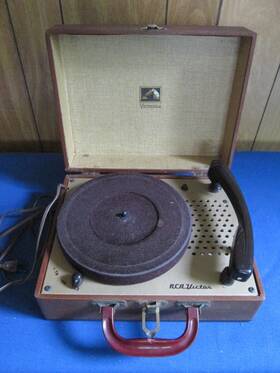
( Brand: Rca ), ( Manufacturer Part Number: 5-EM-23 ), ( Part Type: Player Tube Turntable )
Review RCA Vintage Victor Victrola Record Player Tube Turntable Repair
The RCA 5-EM-23 Victor Victrola is a classic, mid-20th-century tube-powered turntable that embodies the timeless elegance and mechanical precision of vintage audio technology. Originally manufactured by the Radio Corporation of America (RCA) in collaboration with the Victor Talking Machine Company, this model exemplifies the golden age of phonograph engineering, blending robust construction with sophisticated acoustics. The Victrola s design is rooted in the early 20th-century tradition of high-fidelity sound reproduction, featuring a robust cast-iron base that provides exceptional stability and minimizes vibrations, ensuring crystal-clear playback even from the most delicate recordings. At its core, the 5-EM-23 operates on a vacuum tube amplifier system, a hallmark of its era, which delivers warm, rich tones with a natural dynamic range that modern solid-state turntables often struggle to replicate. The turntable itself is driven by a direct-drive motor, eliminating the need for a separate belt or idler wheel, which contributes to its smooth, consistent speed and longevity.
Visually, the RCA 5-EM-23 is a study in mid-century modern aesthetics, often adorned with a sleek, walnut or mahogany finish that complements its vintage charm. The control panel typically includes a robust tone arm with an adjustable counterweight, allowing for precise tracking force adjustments to accommodate different record weights and styles. The tone arm itself is often equipped with a moving-magnet (MM) cartridge, a common choice for its clarity and durability, though some models may feature moving-coil (MC) cartridges for those seeking even greater detail and sensitivity. The turntable s speed is regulated at the industry-standard 33 RPM, though it may also be capable of playing 45 RPM records, making it versatile for both classic and contemporary vinyl collections. The inclusion of a built-in vacuum tube amplifier complete with knobs for volume, tone, and sometimes even bass and treble control adds to its functionality, allowing users to enjoy their records without the need for external equipment.
For collectors, enthusiasts, and audiophiles, the RCA 5-EM-23 represents a rare opportunity to experience the unparalleled warmth and depth of tube amplification in a fully self-contained system. However, like all vintage electronics, this turntable requires careful attention to ensure its continued performance. Common issues that may necessitate repair include worn-out vacuum tubes, degraded wiring, or mechanical wear on the motor or tone arm. The tube amplifier, in particular, may suffer from aging components such as capacitors, resistors, or the vacuum tubes themselves, which can degrade over time and affect sound quality. Additionally, the motor bearings and platter may require lubrication or replacement to maintain smooth operation, while the tone arm could benefit from adjustments or a new stylus to ensure accurate tracking. Restoring this Victrola to its former glory often involves a combination of mechanical tuning, electrical diagnostics, and component replacement, making it a rewarding project for those with a passion for vintage audio restoration.
Beyond its technical merits, the RCA 5-EM-23 holds significant historical value as a relic of an era when music was experienced in a more intimate, analog form. Owning and repairing one is not just about preserving a piece of technology it s about reviving a piece of cultural heritage. Whether you re a purist seeking the unmatched character of tube amplification or a restorer eager to breathe new life into a mechanical marvel, the 5-EM-23 offers a unique blend of nostalgia, craftsmanship, and sonic excellence that remains unmatched in the modern audio landscape. For those willing to invest the time and effort into its restoration, this Victrola stands as a testament to the enduring legacy of analog sound and the art of mechanical perfection.
Buying the RCA 5-EM-23 Victor Victrola record player (a tube turntable) for repair is a nostalgic and potentially rewarding endeavor, but it comes with several considerations. Below is a detailed breakdown of its pros and cons, followed by a conclusion and recommendation.
---
### **Pros of the RCA 5-EM-23 Victor Victrola**
1. **Historical and Collectible Value**
The RCA Victor Victrola is an iconic piece of early 20th-century technology, representing a significant era in audio history. For collectors, vintage phonographs like this hold sentimental and monetary value, especially if they are well-preserved or restored. Some models, depending on rarity and condition, can appreciate over time.
2. **Unique Aesthetic and Craftsmanship**
The design of the RCA Victrola is timeless, with ornate woodwork, brass accents, and a classic mechanical look. It serves as a decorative centerpiece in vintage or retro-themed spaces, appealing to those who appreciate industrial-era design. The craftsmanship reflects the attention to detail typical of early 20th-century manufacturing.
3. **Functional Nostalgia**
For enthusiasts of analog audio or vintage technology, operating a tube turntable like the RCA Victrola can be a rewarding experience. The warm, analog sound produced by tube amplifiers (if paired with one) is distinct from modern digital systems, offering a different listening experience that some find more "authentic" or immersive.
4. **Potential for Customization and Restoration**
Restoring or modifying a Victrola can be a fulfilling hobby. Enthusiasts enjoy the process of repairing mechanical components, cleaning records, and even upgrading parts (such as replacing the tonearm or motor) to improve performance. This hands-on approach can be both educational and creatively satisfying.
5. **Sound Quality (With Proper Setup)**
While the RCA Victrola itself is a mechanical turntable (not an active audio component), when paired with a high-quality tube amplifier and phono cartridge, it can deliver a rich, detailed sound. The lack of digital processing allows for a more "pure" audio experience, though this depends heavily on the condition of the turntable and the records being played.
6. **Low Operating Costs (If Functional)**
Once repaired, the RCA Victrola requires minimal ongoing expenses. Unlike modern turntables with electronic components, it has fewer parts that can fail over time (though mechanical wear is inevitable). The primary costs are associated with maintenance, such as lubricating bearings and cleaning the tonearm.
7. **Community and Networking Opportunities**
Owning a vintage turntable connects you to a community of collectors, restorers, and audio enthusiasts. Online forums, local clubs, and conventions (such as vintage audio shows) provide opportunities to share knowledge, trade parts, and find like-minded individuals passionate about analog audio.
---
### **Cons of the RCA 5-EM-23 Victor Victrola**
1. **High Initial Repair Costs**
The RCA Victrola is a complex mechanical device with several components that may require replacement or repair. Common issues include:- **Motor and Drive System**: The motor may need rewinding or replacement, which can be expensive if done professionally. Some motors are no longer manufactured, requiring sourcing from vintage suppliers or custom work.
- **Tonearm and Counterweight**: The tonearm may be worn or misaligned, requiring balancing or replacement. The counterweight mechanism can also fail over time.
- **Platter and Bearings**: The platter may have warping or cracks, and the bearings (if present) may need lubrication or replacement. Some Victrolas use a direct-drive system without bearings, but the motor itself may still need attention.
- **Electrical Components**: If the turntable includes an integrated amplifier or phono preamp (uncommon in this model but possible in others), these may require repair or replacement. Tube amplifiers, in particular, can be finicky and may need new tubes or capacitors.
The cost of professional restoration can range from a few hundred to over a thousand dollars, depending on the extent of damage.
2. **Lack of Modern Conveniences**
The RCA Victrola lacks features common in modern turntables, such as:- **Automatic Start/Stop**: Most Victrolas require manual operation, which can be inconvenient for casual listening.
- **Anti-skating and Tracking Force Adjustment**: Many vintage turntables lack precise tracking force controls, which can affect sound quality and record longevity.
- **Digital Integration**: There is no built-in way to connect to modern audio systems (e.g., Bluetooth, USB, or digital outputs). You ll need to rely on analog connections (RCA phono outputs) and may require additional equipment like a phono preamp or tube amplifier.
- **Speed Consistency**: Early turntables often have less precise speed regulation compared to modern models, which can affect playback accuracy.
3. **Maintenance Requirements**
Unlike modern turntables, the RCA Victrola requires regular upkeep to remain functional. This includes:- **Lubrication**: Bearings, gears, and moving parts need periodic oiling to prevent wear.
- **Cleaning**: Dust and debris can accumulate in the motor, platter, and tonearm, affecting performance. Records must also be cleaned to avoid damage to the stylus.
- **Alignment**: The tonearm may need periodic alignment to ensure proper tracking.
- **Record Care**: Playing records on a mechanical turntable can accelerate wear due to the lack of anti-skate and precise tracking force. Vinyl records may degrade faster than on modern turntables.
4. **Limited Availability of Parts and Suppliers**
Finding replacement parts for a vintage turntable can be challenging. While some components (e.g., motors, tonearms) may still be available from specialty suppliers, others (e.g., specific gears or electrical parts) may be obsolete. This can lead to delays or higher costs if you need to source parts from collectors or eBay.
5. **Sound Quality Limitations**
While the RCA Victrola can sound great with the right setup, its limitations include:- **Mechanical Noise**: The motor and drive system can introduce hum, crackle, or other mechanical noises that are absent in modern turntables.
- **Tracking Irregularities**: Without precise anti-skate or tracking force adjustment, the stylus may exert uneven pressure on the record, leading to distortion or damage.
- **Dependence on Phono Cartridge**: The sound quality is heavily dependent on the cartridge and tonearm. A worn or low-quality cartridge can significantly degrade the audio experience.
6. **Space and Weight**
The RCA Victrola is a large, heavy piece of furniture, often made of wood and metal. It requires dedicated space on a sturdy surface (preferably a dedicated turntable stand) to prevent vibration. This can be impractical for smaller living spaces or those with limited storage.
7. **Learning Curve**
Operating and maintaining a vintage turntable requires knowledge of analog audio principles, mechanical repair, and record care. Beginners may find the process frustrating, especially if they lack technical skills or patience for troubleshooting.
8. **Resale Value Uncertainty**
While some vintage turntables appreciate in value, the RCA Victrola s resale potential depends on its rarity, condition, and demand among collectors. If you re not committed to long-term ownership, you may struggle to recoup your investment, especially if the market for vintage audio is not strong in your area.
---
### **Conclusion**
The RCA 5-EM-23 Victor Victrola is a fascinating piece of audio history with undeniable charm and character. It offers a unique listening experience and a connection to the past, making it ideal for collectors, enthusiasts, and those who appreciate analog technology. However, it also comes with significant challenges, particularly in terms of repair costs, maintenance demands, and the lack of modern conveniences.
If you re considering purchasing this turntable for repair, it s essential to weigh your priorities:- Are you buying it primarily for its historical value, aesthetic appeal, or the joy of restoration?
- Do you have the time, skills, or budget to address its mechanical and electrical quirks?
- Are you prepared for the ongoing maintenance and potential limitations in functionality?
For someone with a deep passion for vintage audio, mechanical repair skills, and a willingness to invest time and money into restoration, the RCA Victrola can be a rewarding project. However, if you re looking for a turntable that is easy to use, modern, or low-maintenance, a modern or mid-century turntable (e.g., a Technics SL-1200, Rek-O-Kut, or a well-maintained vintage turntable like a Thorens or Garrard) may be a more practical choice.
---
### **Recommendation**
1. **If You re a Collector or Enthusiast:**Purchase the RCA Victrola if you re committed to restoring it and enjoy the process. Start by researching common issues specific to this model and budget for potential repairs (e.g., motor rewinding, tonearm replacement, or platter refurbishment). Join vintage audio forums (such as Audiokarma, Vintage Audio Forum, or Reddit s r/vinyl) to connect with others who can offer guidance. Consider starting with a simpler or less expensive vintage turntable (e.g., a Rek-O-Kut or a mid-century model) to gain experience before tackling the RCA Victrola.
2. **If You re a Casual Listener:**Avoid purchasing this turntable for repair unless you re prepared to invest heavily in its restoration and maintenance. Instead, consider buying a well-main
Details:
Vintage RCA Victor Victrola 5-EM-23 Record Player Tube Turntable, The turntable works on all 3 speeds but the record player just hums when turned - may need amplifier work. Being sold AS IS for part or repair.
part #: 5em23 prices
- $6.50-$100.00
specifications vintagerecordplaygo:
- brand: Rca
- mpn: 5-em-23
- part type: Player Tube Turntable
returns vintagerecordplaygo:
- policy: No Returns
payments vintagerecordplaygo:
- other
- credit card: Diners-club
- wallet: Paypal
offer vintagerecordplaygo:
- started: June 10, 2026
- sold: 0
- options: Ship-to-home
- best offers: True
- availability: In Stock
- quantity: 1
general vintagerecordplaygo:
- condition: Used
- Vintage Electronics > Vintage Audio Video > Vintage Record Players
shipping vintagerecordplaygo:
- cost: $25.55
- type: Calculated
- service: USPS Ground Advantage
- transit: 3-7 Days
- carrier: USPS
- class: Standard
seller vintagerecordplaygo:
- # reviews: 32848
- city: Hamburg, New York
- rating: 100.0%
Rca 5-EM-23 Is Similar To:
- Vintage Changer Rca 45--2 Record Serial Works 064398 1950 (42.4% similar) A great Rca 45 j 2 player looks and works good, no connection for sound. It has cartridge, one small crack on the left side...(March 2nd, 2015)
- 1-emp-2e Rca Victor Vintage Tube Turntable Record Player Rpm (59.3% similar) This vintage Rca victor record player turns on. Measures x turntable turns at four different speeds, can't guarantee that they are exactly 16, 33, 45 and 78 as marked. Has some scuffs that might come off with more cleaning and the blue trim shrunk as shown in photo. No pad on turntable but complete ...(December 9th, 2018)
- 1-emp-2l Rca Portable Record Player Excellent (43.3% similar) This player is blue and a suitcase style. Model is 1-EMP-2L. I have an Rca portable record player up for offer. The mat that record sits on is torn as seen in pictures. Plays really well, loud and clear. A guess is about I have played it and assure you plays great. It can easily be replaced. Another...(October 22nd, 2018)
- 1-emp-k22 Rca Restored Vintage Record Player Phonograph Alligator Portable (45.6% similar) You won't find a nicer Rca portable that not only looks great just sitting on your shelf, but will fill room with favorite tunes. I have installed the latest ceramic cartridge with. It will play the newest pressings to oldest vintage records. The amplifier is a 7WATT output in comparison to 3 watt ...(May 24th, 2018)
- 1-emp2-kk Rca Victor Vintage Victrola Record Player Brown Carry Case Model (53.7% similar) Vintage Rca victor victrola record player brown carry case model 1-EMP2-KK - as is after a brief test I was able to get some decent sound of it, however it skipping lot and will definitely need adjustments. Selling as is or for parts only. Shipping charge is based on a total weight. Both switches - ...(April 24th, 2018)
- 1023 Rca Vintage Portable Suitcase Turntable (47.1% similar) Free shipping please see the pictures for more detail. Nice green color. Spins at different speeds when plugged in. 78, 45, and 33...(January 18th, 2017)
- Idler Part 102934 102968 Turntable Rca 3 Moc Wheels Numbers Vintage (26.8% similar) They are parts no. And, also another idler wheel that is not in the original package...(February 28th, 2015)
- 106770b Rca Vintage Stereo Cartridge (36% similar) Box as found was pushed in on one side from trying to remove sleeve. Vintage Rca stereo cartridge 106770B as found-unknown if it works. Vintage items with paper graphics or other delicate materials will only be lightly cleaned so as not to damage. The trick is to open box and slide out. Cardboard ...(April 25th, 2018)
- 110906 Rca Vintage Auto-spindle 45rpm Black (37.3% similar) This is a Rca 45 rpm auto spindle black w silver writing...(February 20th, 2017)
- 110k Rca Antique Vintage Victor 10 (38.5% similar) Selling as is, pictured with no reserve. Another rare find for the electronic enthusiast. Outside has cosmetic wear and the components are a little dirty but it works. All tubes, speaker, antenna, etc. Neat piece to refinish the outer cabinet or just keep as it. Nice vintage antique floor model tube...(January 21st, 2017)
- 115277 Rca Record Player Old Stock In Original Box (36.8% similar) I have shown the pickup from every angle. Note I don't know all the different model record players this pickup will fit. You are buying the new old stock Rca record player pickup shown in my pictures its original box excellent condition. Check internet for all applications. Note package has wear ...(September 3rd, 2018)