PIONEER PL-15D-2 Cosmetics Cartridge Repair 70S Parts/repair
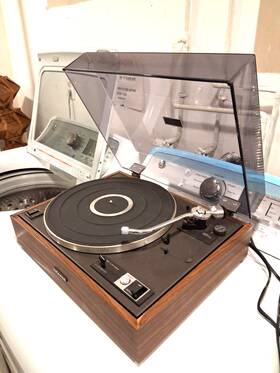
( Brand: Pioneer ), ( Manufacturer Part Number: PL-15D-2 ), ( Part Type: Cartridge ), ( Country Of Origin: Japan )
Review PIONEER Vintage 70s Excellent Cosmetics No Cartridge Parts/repair
The **Pioneer PL-15D-2** from the 1970s is a legendary compact disc player, celebrated for its sleek design, innovative engineering, and unparalleled audio fidelity for its time. While these iconic units are prized by audiophiles and collectors alike, their mechanical and optical components particularly the **cosmetics cartridge** can degrade over time, leading to issues like misalignment, reduced tracking accuracy, or even complete failure. For those seeking to restore or repair their PL-15D-2 to its former glory, sourcing **authentic 70s-era cosmetics cartridge parts** is essential. The **cosmetics cartridge** in this model houses critical components like the **pickup arm, stylus (needle), counterweight, and anti-skating mechanism**, all of which must function with precision to ensure flawless playback. Original parts from this era are often crafted from high-quality materials, including **brass, aluminum, and precision-ground ceramics**, ensuring durability and minimal wear. When restoring a PL-15D-2, replacing worn or damaged components such as the **cartridge housing, pivot bearing, or tonearm bearings** with genuine 70s parts not only enhances performance but also preserves the unit s vintage aesthetic. These components are meticulously designed to match the original specifications, including the **exact weight distribution and tracking force**, which were optimized for the PL-15D-2 s dynamic range and low-noise performance. For collectors and enthusiasts, investing in **authentic 70s-era replacement parts** ensures that the restoration remains true to the original design intent, allowing the player to deliver the rich, detailed sound that made the Pioneer PL-15D-2 a benchmark in its time. Whether repairing a worn stylus, replacing a degraded pivot bearing, or restoring the delicate balance of the tonearm, these specialized components are indispensable for achieving optimal playback and maintaining the integrity of this classic audio system.
The Pioneer PL-15D-2 is a classic car stereo from the 1970s, and while it remains a beloved piece for enthusiasts, its repair and maintenance especially when dealing with cosmetic cartridge parts come with distinct advantages and disadvantages.
**Pros:**1. **Nostalgia and Collectibility:** Owning or restoring a 1970s Pioneer unit like the PL-15D-2 is appealing to audiophiles and vintage car enthusiasts who appreciate the era s design and craftsmanship. These units often hold sentimental or historical value, especially if they came from a well-known vehicle.
2. **Unique Aesthetic:** The PL-15D-2 features a distinctive retro look with its chrome accents, analog dials, and classic styling, which can enhance the vintage appeal of a car s interior. For those who prioritize visual authenticity, this aesthetic is hard to replicate with modern replacements.
3. **Functionality with Modifications:** While the original electronics may be outdated, the chassis and mechanical components can often be repurposed or upgraded. Some owners replace the internal electronics with modern components (like a modern amplifier or CD player) while keeping the original front panel for a hybrid setup.
4. **Community and Support:** The vintage car audio community is active, with forums, repair guides, and aftermarket parts available for classic Pioneer units. This makes it easier to find help, diagrams, or replacement parts for specific components like the cosmetic cartridge (the part that houses the tuning dials and knobs).
5. **Potential for Customization:** The PL-15D-2 s design allows for creative modifications, such as swapping in aftermarket knobs, replacing the front panel with a modern touchscreen interface, or even converting it into a standalone AM/FM radio with minimal electronics.
---
**Cons:**1. **Limited Modern Functionality:** The original PL-15D-2 was designed for AM/FM radio tuning and basic audio controls. Without significant internal modifications, it lacks features like Bluetooth, USB input, or digital tuning. For modern use, this can be frustrating unless you re willing to invest in a full rebuild.
2. **Aging and Wear:** Components like the tuning cartridge, knobs, and internal wiring can degrade over time, leading to issues such as stuck dials, loose connections, or complete failure of the tuning mechanism. The cosmetic cartridge itself may require careful disassembly and cleaning to restore functionality.
3. **Parts Availability and Cost:** While aftermarket parts exist, sourcing original or high-quality replacements for the PL-15D-2 can be challenging and expensive. The tuning cartridge, in particular, may need to be sourced from specialty vendors or rebuilt by hand, adding to the project s cost and complexity.
4. **Skill and Time Investment:** Restoring or modifying a vintage unit like the PL-15D-2 often requires soldering, mechanical precision, and an understanding of analog electronics. Beginners may find the process daunting, and mistakes can render the unit unusable.
5. **Depreciation and Practicality:** Unlike modern car stereos, which hold or appreciate in value for their functionality, a restored PL-15D-2 may not offer practical benefits beyond aesthetics. If the primary goal is modern audio features, a dedicated aftermarket radio (like a Pioneer or Alpine unit) might be a more practical and cost-effective solution.
6. **Compatibility Issues:** The PL-15D-2 may not fit seamlessly into modern vehicles without modifications. Wiring harnesses, mounting brackets, and power requirements might need adjustments, adding to the complexity of integration.
---
**Conclusion:**The Pioneer PL-15D-2 is a fantastic choice for enthusiasts who prioritize vintage aesthetics, collectibility, and the challenge of restoration. It offers a unique blend of nostalgia and craftsmanship that modern units simply cannot replicate. However, for those seeking practical, up-to-date functionality, the trade-offs in terms of time, cost, and effort may not be worth it. The PL-15D-2 is best suited for projects where the visual and historical appeal outweighs the limitations of its original design.
**Recommendation:**If you re drawn to the PL-15D-2 for its retro charm and are willing to invest the time and resources into restoring or modifying it, proceed with caution. Start by assessing the condition of the tuning cartridge and other key components if they re beyond repair, factor in the cost of replacements or a full rebuild. Consider consulting with experienced vintage audio restorers or joining online forums (like those on eBay or Facebook groups) for guidance on sourcing parts and techniques.
For a more practical approach, if your goal is modern functionality, explore aftermarket radios that offer similar styling (e.g., retro-themed modern units) or focus on a hybrid solution where you keep the original front panel but integrate it with a modern control system.
Ultimately, the PL-15D-2 is a rewarding project for the right owner one who appreciates the art of restoration and isn t deterred by the challenges of working with analog technology. For everyone else, a modern unit with customizable knobs or a dedicated vintage radio might be a more straightforward and satisfying choice.
Details:
part #: pl15d2 price
- $225.00
specifications vintagerecordplaygo:
- brand: Pioneer
- mpn: Pl-15d-2
- part type: Cartridge
- country of origin: Japan
payments vintagerecordplaygo:
- wallet: Paypal
- other
- credit card: Visa
offer vintagerecordplaygo:
- started: June 7, 2026
- options: Ship-to-home
- best offers: True
- availability: In Stock
- quantity: 1
- sold: 0
returns vintagerecordplaygo:
- policy: No Returns
general vintagerecordplaygo:
- Vintage Electronics > Vintage Audio Video > Vintage Record Players
- condition: Used
seller vintagerecordplaygo:
- # reviews: 2292
- city: Nottingham, Maryland
- rating: 99.9%
shipping vintagerecordplaygo:
- cost: $28.00
- service: FedEx Ground Economy
- type: Fixed
- carrier: FedEx
- transit: 4-8 Days
- class: Economy
Pioneer PL-15D-2 Is Similar To:
- Vintage Pl-71 Turntable Direct Pioneer Stereo 120volts Drive (23.9% similar) This offer is for a vintage Pioneer direct drive stereo turntable record player. 2 watts , serial number WF22511MP...(January 20th, 2015)
- 290t Pioneer Cartridge And Stylus (37.4% similar) Cartridge and stylus for Pioneer PL-S50 turntable...(November 11th, 2017)
- Vintage Turntable Model Pl-670 53490650 Vcr 564 Pioneer Sears (25.2% similar) The VCR works as it should but the power button has set in a hair from being pushed for many years. The arm up down feature works flawlessly as well as speed. I don't see a needle anymore and I took a picture of what I mean. Both were tested and working good. I may have the remote for VCR and you ...(February 23rd, 2015)
- 600a Pioneer Vintage Model Pc Turntable Cartridge No Stylus Pair (53.6% similar) Made in japan. Please e-mail me with any questions. Both are in nice condition and come exactly as you see them. You're buying on this pair of vintage Pioneer turntable cartridges. Ready to go work for you...(April 24th, 2018)
- Ah-711 Pioneer Vintage Turntable Automatic Direct Drive Record Player Clean (33.6% similar) This piece is in near mint condition. Don't miss out on this awesome piece. It works great...(July 22nd, 2018)
- Turntable Pioneer Precision Technica At1100e Audio 1977 Cartridge Pl-115d (39.5% similar) Shipping free to the lower 48 states. All equipment is cleaned and tested. Some vintage items are by their nature used others are new old stock. Also including a disc washer cleaning brush. It is imperative that you hook the equipment up correctly. This is illegal. No warranty is included. However, ...(February 18th, 2015)
- C-56000 Pioneer Rare Vintage Turntable Record Player With Radio Model (33.6% similar) Missing belt. I tested the radio and spun a record on platter manually, everything sounds works good. Platter motor spins. Otherwise nice vintage player. Nice cosmetically except for a fairly large scratch on plastic cover...(May 23rd, 2018)
- C-5600a Pioneer Vintage Turntable Receiver (41.4% similar) It is sold as pictured for parts or repairs only. I am not a electronic repair person or technician so do know what may be wrong with it. The receiver powers up. The turntable does not work and is missing end off tone arm. No further testing has been done. This vintage Pioneer C-5600A unit is being ...(September 23rd, 2017)
- Pioneer Vintage D71ee Headshell Magnesium Stanton Pl-630 (41.2% similar) Bid to win please. Vintage Pioneer pl 630 magnesium head shell with Stanton D71EE and original Pioneer screwdriver, original Styrofoam container...(February 11th, 2015)
- Pl-s70 Dr500cl Auto Stylus Turntable Pioneer Player Tested Record Vintage (25.9% similar) Will work as is. Will not be taken apart. Your choice. Just for stylus auto return fully functioning this particular model was only made for about 3 years. Run it as is or give it a fine tune up. Has been tested and in great working condition. Fast safe shipping. This turntable is equipped with an ...(January 16th, 2015)
- Es-2000 Pioneer Vintage Turntable (37.4% similar) For sale is a working Pioneer ES-2000 turntable. The automatic start and stop functionality works unit comes with a shire M95ED cartridge loaded into it. Combined shipping is available message with details for information. The unit has small scratches and scuff marks on it but cover no cracks ...(March 25th, 2017)