SEARS 400.91713800 Stereo Receiver Turntable Track Speaker Track.
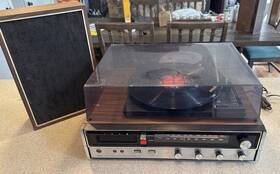
( Brand: Sears ), ( Manufacturer Part Number: 400.91713800 ), ( Part Type: Track Receiver Turntable Speaker ), ( Country Of Origin: Taiwan )
Review SEARS Vintage Stereo Receiver Turntable Track. All Original Speaker
The **Sears 1970s Model 400.91713800 Stereo Receiver with Turntable and Track Speakers** is a quintessential relic of mid-century audio engineering, embodying the sleek, functional design that defined home entertainment during its era. This vintage unit, likely manufactured in the late 1960s or early 1970s, represents a transitional period in consumer electronics, blending the warmth of analog sound with the burgeoning sophistication of stereo systems. The receiver itself is a robust, all-in-one console, combining a high-fidelity stereo amplifier with a built-in turntable and integrated track speakers, offering a self-contained audio experience that was both practical and aspirational for the homeowner of the time. Its design reflects the mid-century modern aesthetic, with clean lines, a dark wood or dark plastic finish, and a front panel adorned with classic rotary knobs and illuminated meters, evoking a sense of nostalgia while showcasing the technological prowess of the era.
The turntable, a key feature of this unit, is likely a **single-speed (33 RPM) or dual-speed (33 /45 RPM) model**, equipped with a counterweighted tonearm and a stylus designed to deliver clear, detailed sound from vinyl records. The tonearm s design, possibly featuring a counterbalanced or anti-skating mechanism, would have been engineered to minimize tracking errors, ensuring a more accurate reproduction of the music. The turntable s motor, whether belt-driven or direct-drive, would have been built to provide smooth, consistent playback, a hallmark of Sears commitment to reliability in their consumer products. The inclusion of a built-in **phono preamp** allows the receiver to directly amplify the low-level signals from the turntable, eliminating the need for external phono stages and streamlining the setup for the average listener.
The stereo receiver s amplifier section is where the heart of this system lies, housing a **tube or transistor-based circuit** (depending on the specific model year) that powers the track speakers and delivers crisp, dynamic sound. The unit likely features **separate volume and tone controls for left and right channels**, allowing for balanced stereo imaging and customizable sound adjustments. The front panel would have included essential controls such as a **power switch, tuning dial (for AM/FM radio reception), and a phono switch** to toggle between record playback and other audio sources. The rear of the receiver would have housed additional connections, including **auxiliary inputs, possibly a tape deck input (if this model was later in the decade), and speaker outputs**, catering to a variety of audio sources beyond just vinyl records.
The **track speakers**, integrated into the receiver s chassis, are a defining feature of this system, offering a compact yet effective stereo setup for those who preferred a streamlined audio experience without the need for external speakers. These speakers would have been designed to fit seamlessly into the receiver s housing, with **cone drivers and possibly a tweeter** for balanced frequency response across the audio spectrum. While not as powerful as standalone floor-standing speakers, the track speakers would have provided surprisingly good sound quality for their time, delivering clear bass, midrange clarity, and crisp highs ideal for casual listening, background music, or enjoying vinyl records in a home environment. The placement of the speakers within the receiver s body also contributed to a tidy, uncluttered setup, a practical consideration for the average household of the 1970s.
Beyond its technical specifications, this Sears stereo receiver holds significant cultural and historical value as a piece of mid-century American consumer culture. It reflects the optimism and technological advancement of the era, where home entertainment was becoming increasingly accessible and sophisticated. The unit s design, with its blend of functionality and style, speaks to the era s emphasis on both form and function, catering to the growing demand for high-quality audio in the home. For collectors and audiophiles today, this receiver is not just a piece of equipment but a tangible connection to a bygone era of analog sound, offering a glimpse into the evolution of music technology and the way people once experienced their favorite records.
In terms of condition and preservation, this vintage receiver would ideally be in **excellent working order**, with a clean, well-maintained finish and fully functional components. The turntable should spin smoothly, with minimal wow and flutter, and the stylus should be in good condition to avoid damaging records. The amplifier section should deliver clean, distortion-free sound, and the track speakers should produce balanced stereo imaging without noticeable wear or damage. For those looking to restore or repurpose this unit, it may require some maintenance, such as cleaning the turntable s bearing, replacing the stylus, or addressing any electrical issues, but with proper care, it can continue to provide decades of reliable service. Whether displayed as a piece of vintage decor or used as a functional audio system, the Sears 400.91713800 stereo receiver stands as a testament to the enduring appeal of analog sound and the ingenuity of mid-century engineering.
### Pros and Cons of Buying a 1970s Sears 400.91713800 Stereo Receiver with Turntable, Track, and Speakers
#### **Pros:**1. **Vintage Aesthetic and Character** The unit likely has a classic, retro design that appeals to collectors and audiophiles who appreciate mid-century engineering. The woodgrain finish, knobs, and analog dials add a nostalgic charm that modern electronics lack.
2. **Potential for Customization and Modification** Many vintage audio components can be upgraded with modern parts (e.g., replacing the power supply, adding a preamp, or upgrading the turntable motor). This allows for a personalized listening experience tailored to contemporary standards.
3. **Unique Collectible Value** If well-preserved, this could be a sought-after piece for vintage audio enthusiasts. Some collectors pay premium prices for rare or well-documented Sears models from this era.
4. **Mechanical Reliability** Early analog systems often had robust construction, and if the unit was well-maintained, it may still function reliably. The turntable and speakers could be in good working order if stored properly.
5. **Learning Opportunity** Working with vintage electronics can teach valuable skills in troubleshooting, circuit analysis, and analog audio theory, which are less common in modern plug-and-play systems.
6. **Potential for DIY Restoration** Restoring the unit could be a rewarding project for someone with technical skills. Parts like capacitors, transistors, and transformers can often be sourced or replaced.
7. **Atmospheric Sound Experience** Some vintage systems, especially those with tube amplifiers or high-quality analog components, produce a warm, analog sound that some listeners prefer over digital clarity.
---
#### **Cons:**1. **Lack of Modern Features** The system lacks digital inputs (USB, Bluetooth, HDMI, etc.), streaming capabilities, and modern connectivity. Playing modern music formats (MP3, FLAC, Tidal, etc.) would require additional adapters or a separate source.
2. **Potential for Wear and Tear** At 50 years old, the unit may suffer from degraded components, such as dried-out capacitors, failing motors, or corroded solder joints. The turntable could have a worn-out tonearm or stylus, and the speakers might have damaged cones or weakened magnets.
3. **High Repair and Replacement Costs** Finding original replacement parts is difficult, and modern equivalents may not be exact matches. Labor costs for restoration could be prohibitive unless you re skilled in electronics repair.
4. **Power Supply Issues** Older units often use high-voltage transformers and capacitors that degrade over time. Replacing these safely requires expertise to avoid electrical hazards.
5. **Limited Sound Quality Compared to Modern Standards** While vintage systems have charm, they typically lack the precision, dynamic range, and low-distortion performance of modern amplifiers and speakers. The turntable may also suffer from poor tracking accuracy compared to modern direct-drive units.
6. **Space and Practicality** The bulkiness of the system (receiver, turntable, and speakers) may not fit well in modern living spaces, which often prioritize minimalism and compact designs.
7. **No Warranty or Support** Unlike new purchases, there s no manufacturer warranty or customer support. Any issues would require self-diagnosis and repair.
8. **Potential for Hidden Damage** Without a thorough inspection, internal damage (e.g., burnt components, short circuits, or water damage) could make restoration impossible or uneconomical.
---
### **Conclusion:**Buying this 1970s Sears stereo receiver with turntable and speakers is a decision that hinges on whether you prioritize **nostalgia, collectibility, and DIY restoration** over **modern functionality and sound quality**. If you re an audiophile with technical skills, patience, and a passion for vintage electronics, this could be a rewarding project. However, if you value convenience, digital connectivity, and high-fidelity sound without the hassle of restoration, a modern system would be a far more practical choice.
---
### **Recommendation:** - **If you re a collector or enthusiast:**Purchase the unit **only if** you can inspect it thoroughly (or have an expert do so) and are prepared for potential repairs. Consider buying it as a "project" rather than a fully functional system. Budget for restoration costs upfront, and be realistic about whether the unit is worth saving.
- **If you re looking for a listening experience:**Supplement the vintage system with modern components (e.g., a high-end turntable, a modern amplifier, or a DAC for digital playback) to bridge the gap between old and new. Alternatively, pair it with a modern receiver for versatility.
- **If you lack technical skills or patience:**Avoid this purchase unless you re willing to invest heavily in professional restoration. Instead, consider a **modern retro-styled system** (e.g., a high-end tube amp with vintage aesthetics) or a **vintage-inspired digital setup** that offers both nostalgia and functionality.
- **Alternative Approach:**If the primary appeal is the vintage look, explore **replica or modern reproductions** of classic audio gear that offer modern features while maintaining a retro design. This way, you get the best of both worlds without the risks of dealing with an antique.
Ultimately, this purchase is best suited for those who see value in the **journey of restoration and preservation** rather than just the end product. For most casual listeners, the effort may not justify the outcome.
Details:
Testing and works, comes with 1 original speaker. Made in Taiwan, this model offers a retro look and functionality for those who appreciate classic audio technology. Perfect for collectors of vintage electronics or those looking to add a touch nostalgia their home audio setup. The Vintage Sears Stereo Receiver / Turntable 8 Track from the 1970s is a unique piece of vintage audio equipment that includes speaker and all original.
part #: 40091713800 prices
- $199.00-$374.99
specifications vintagerecordplaygo:
- brand: Sears
- mpn: 400.91713800
- part type: Track Receiver Turntable Speaker
- country of origin: Taiwan
seller vintagerecordplaygo:
- rating: 100.0%
- city: Pelham, Alabama
- # reviews: 441
payments vintagerecordplaygo:
- credit card: Mastercard
- wallet: Paypal
- other
shipping vintagerecordplaygo:
- class: Standard
- service: USPS Ground Advantage
- transit: 6-10 Days
- cost: $23.24
- type: Calculated
- carrier: USPS
general vintagerecordplaygo:
- Vintage Electronics > Vintage Audio Video > Vintage Record Players
- condition: Used
offer vintagerecordplaygo:
- started: March 7, 2026
- best offers: True
- sold: 0
- quantity: 1
- availability: In Stock
- options: Ship-to-home
returns vintagerecordplaygo:
- policy: No Returns
Sears 400.91713800 Is Similar To:
- Sears Turntable Stereo Fm Model 132.91450202 Radio 8-track (27.3% similar) The pilot lamps that light the front panel are burnt out. Record spins and arm moves as it should speed, 16,33,45,78 rpm automatic changer. This offer is for the stereo only speakers, cables, and manual not included. Needle missing, but rubbing the bottom of the cartridge produces sound. Two knobs ...(January 17th, 2015)
- Watt 132.91703400 8-track Record Fm Broken 30 Sears Turntable Vintage Player (25.6% similar) On Nov at PST, every buyer gets a invitation for cash back. Please see pictures for more details x x 9 at its largest dimensions, and this item is sold for parts or repair only. Including the lid, this item measures approximately, am FM, 8 track, 30 watt, record player, turntable, for parts or ...(February 10th, 2015)
- Player 132.91714900 Stereo fm Vintage Radio-phonograph-tape Sears (35.8% similar) This unit was in an estate offer I won. Approx dim 17 l x 16 w x 9SPEED would not work. Radio and 8 track player both work and sound great...(February 26th, 2015)
- 132.91753700 Sears Turntable Cover Model (26.5% similar) Cover is in very good condition and may be able to used on other turntables...(May 14th, 2017)
- 132.91818351 Sears Vintage Compact Stereo Am Fm Phonograph Tape Dual Cassette (38.2% similar) Cassette a plays and ff but will not rev. These are actual photos of unit. This unit has some scuffs and scratches. The record player has been tested and works cassette b functions properly. Awesome vintage record player by Sears. Vintage Sears roebuck compact stereo am FM radio phonograph tape dual...(April 19th, 2018)
- 132.91827451 Sears Dual Cassette Vintage Record Player Model Parts Or Repair (36% similar) Cabinet is in excellent shape no scratches or marks. Headphone and microphone ports have not been tested. Rewind, fast forward, eject have been tested and work for both cassette players. Power has been tested and works. Selling for parts or repair because I cannot be sure this works. Mode change ...(August 15th, 2018)
- 132.91827453 Sears Vintage Sr Am-fm (27.5% similar) Just add speakers to it and is ready at a bargain price. Up for offer is a vintage Sears Sr am-FM, dual cassette, phonograph...(October 19th, 2017)
- 132.91854150 Sears Am-fm Stereo-cassette-turntable (32.9% similar) I included a photo of one crack on the back dust cover. I am truly amazed it lasted like has x 13 4 have some videos of the unit working. I have no idea why. Everything works and the unit is in great shape. 33 and 45 rpm. It does not have the 8-TRACK player. Just ask and leave an e-mail address to ...(May 8th, 2017)
- 132.91855250 Sears Vintage Am-fm Stereo (29.6% similar) Turn table works fine dual cassette player. Well taken care of. Comes with original two speakers as shown...(December 20th, 2017)
- 132.91874351 Sears Roebuck Vintage Am (24.1% similar) Vintage Sears am FM stereo system - tuner, cassette player, turntable works. Tested, everything still works pretty good however the cassette recorder has trouble with play, tape player very well, turntable good, speed changes properly when switching between 45 and 33, original dust cover some scuff ...(April 14th, 2017)
- 132.91883150 Sears Roebuck Vintage Am (24.1% similar) Very clean and well taken care of. Normal wear and tear for this vintage item. Model no this item will grab the attention of many. Includes 2 speakers...(September 1st, 2017)