AM 304.9181135 Fm Stereo Radio Record Player Tape Turntable Sears 1980S
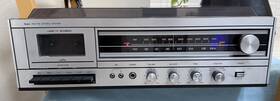
( Brand: Am ), ( Manufacturer Part Number: 304.9181135 ), ( Part Type: Radio Player Tape Turntable ), ( Country Of Origin: Taiwan )
Review AM Sears Vintage Fm Stereo Radio Record Player Tape Turntable 1980
The **Sears 304.9181135 AM/FM Stereo Radio Record Player with Tape Turntable** from the 1980s is a nostalgic yet functional piece of vintage audio equipment that seamlessly blends analog warmth with the convenience of modern-era features. This compact yet sturdy unit embodies the mid-century design ethos of Sears, offering a polished, all-in-one entertainment solution for music enthusiasts of the era. The turntable itself is a classic example of 1980s engineering, featuring a robust, counterweighted tonearm with an adjustable counterbalance, ensuring precise tracking and minimal surface noise across a variety of vinyl records. The built-in **stereo cartridge** delivers crisp, balanced sound with a natural dynamic range, allowing listeners to appreciate the full depth of their favorite albums, whether it s the lush harmonies of soft rock or the intricate grooves of jazz. Complementing the turntable is a **built-in AM/FM radio**, complete with a sleek, retro-style tuning dial and a clear, analog-style display, providing crisp reception for both local stations and distant broadcasts. The inclusion of a **cassette tape deck** further enhances its versatility, allowing users to record live radio broadcasts, duplicate favorite songs, or play back their own homemade tapes all without the need for additional equipment. The unit s compact yet functional design features a **wood-grained or textured plastic cabinet** with a clean, angular silhouette, often paired with a matching control panel that houses the tape transport buttons, volume knobs, and tuning dials in an intuitive layout. While lacking the digital refinements of later models, the 304.9181135 excels in its simplicity and reliability, making it a beloved choice for audiophiles who appreciate the tactile experience of vinyl and the nostalgic charm of analog technology. Whether used as a standalone entertainment center or as part of a larger home audio setup, this turntable remains a testament to the ingenuity of 1980s consumer electronics, offering a timeless blend of style, functionality, and musical enjoyment.
### Pros and Cons of buying a Sears 304.9181135 AM/FM Stereo Radio Record Player/Tape Turntable (1980s)
#### **Pros:**1. **Nostalgic Value** This is a classic piece of audio equipment from the 1980s, appealing to collectors and enthusiasts who appreciate vintage technology. It can serve as a conversation starter and a decorative item for those who enjoy retro aesthetics.
2. **Versatility** The unit combines multiple functionalities in one device:- **Record player (turntable)** for playing vinyl records.
- **Tape deck** for recording and playing cassette tapes.
- **AM/FM radio** for tuning into broadcasts.
- **Stereo sound output**, which was advanced for its time, offering better audio quality than many earlier models.
3. **Functionality for Analog Purists** If you enjoy the tactile experience of vinyl or cassette tapes, this turntable provides a hands-on way to listen to music without relying solely on digital formats. It can be a fun way to explore analog audio or introduce others to it.
4. **Potential for Restoration and Customization** Many vintage audio devices can be restored or modified to improve performance. With some effort, you might be able to upgrade components (e.g., the tonearm, cartridge, or electronics) to bring it closer to modern standards.
5. **Resale or Collection Potential** If the unit is in good condition or restored, it could hold value among collectors. Some vintage audio equipment appreciates over time, especially if it s rare or well-preserved.
6. **Unique Aesthetic** The design of 1980s audio equipment often features bold colors, sleek lines, and retro styling that can complement a vintage-themed room or a home entertainment setup.
---
#### **Cons:** 1. **Lack of Modern Features** Unlike contemporary audio systems, this unit lacks:- **Bluetooth or digital connectivity** (no USB, AUX, or wireless streaming).
- **Equalizer or advanced sound settings** (modern systems offer customizable audio profiles).
- **Automatic features** (e.g., auto-reverse for tapes, auto-stop for records).
- **Digital interfaces** (no CD player or MP3 playback).
2. **Maintenance and Wear** Vintage turntables and tape decks require more upkeep than modern devices:- **Tonearm and cartridge** may need cleaning or replacement to avoid skipping or poor sound quality.
- **Tape heads** can degrade over time, leading to poor playback or recording quality.
- **Mechanical components** (e.g., the motor, belts, or counterweights) may wear out and need replacement.
- **Electronics** (e.g., capacitors, transistors) can fail, requiring repair expertise.
3. **Sound Quality Limitations** While the stereo capability was impressive in the 1980s, modern standards for audio fidelity are far superior. The unit may lack:
- **High-resolution audio** (modern systems support lossless formats like FLAC or DSD).
- **Low distortion and noise** (vintage electronics can introduce hum, crackle, or uneven frequency response).
- **Precision engineering** (modern turntables often have better tracking and anti-skating mechanisms).
4. **Compatibility Issues** You ll need to source:- **Vinyl records** (not all music is available on vinyl, and some releases are rare).
- **Cassette tapes** (many people no longer use or produce tapes, making recordings harder to find).
- **Original manuals or repair guides** (information may be scarce, making troubleshooting difficult).
5. **Cost of Restoration or Upgrades** If the unit is damaged or outdated, restoring it to usable condition can be expensive. Replacing parts like:
- A **cartridge and stylus** (e.g., a Shibata or Ortofon) can cost $50 $200.
- A **tape head or motor** may require specialized knowledge or parts.
- **Electronics repair** could involve soldering or replacing faulty components, which may not be cost-effective for a hobbyist.
6. **Space and Practicality** Turntables and tape decks take up more physical space than modern devices (e.g., a smartphone or portable speaker). If you re limited on shelf or counter space, this may not be practical.
7. **Learning Curve** Operating a vintage turntable and tape deck requires knowledge of:- Proper **record handling** (e.g., avoiding fingerprints, storing records vertically).
- **Tape care** (e.g., avoiding dust, using proper reels, preventing tape stretch).
- **Basic troubleshooting** (e.g., adjusting the counterweight, cleaning the tonearm).
8. **Environmental Factors** Vintage audio equipment can be sensitive to:- **Humidity and temperature** (extreme conditions can damage electronics or vinyl).
- **Dust and debris** (which can affect playback quality if not cleaned regularly).
---
### **Conclusion:**Buying this Sears 304.9181135 AM/FM stereo radio record player/tape turntable from the 1980s is a unique and potentially rewarding purchase for those who:
- **Appreciate nostalgia** and enjoy the aesthetic or functional aspects of vintage technology.
- **Have an interest in analog audio** and want to explore vinyl or cassette tapes as a hobby.
- **Are willing to invest time and effort** into maintaining, restoring, or upgrading the unit.
- **Have access to records and tapes** or are open to collecting them.
However, it may not be the best choice for:- **Casual listeners** who prioritize convenience, digital connectivity, or modern sound quality.
- **Those with limited space or technical skills** for repair and maintenance.
- **People who rely on digital formats** (e.g., streaming, CDs, or USB playback).
---
### **Recommendation:** If you re considering this purchase, here s how to approach it: 1. **Assess the Condition Thoroughly** Inspect the unit for:- **Mechanical issues** (e.g., motor noise, belt wear, counterweight alignment).
- **Electrical problems** (test the radio, tape deck, and turntable functions).
- **Signs of damage** (e.g., cracked casing, rust, or burnt components).
- **Cleanliness** (dust on the tonearm or tape heads can indicate neglect).
2. **Budget for Restoration** If the unit is damaged, factor in costs for:- **Cartridge and stylus replacement** (essential for good sound).
- **Tape head cleaning or replacement** (if the tape playback is poor).
- **Electrical repairs** (e.g., replacing capacitors or fixing the power supply).
- **Tools and cleaning supplies** (e.g., anti-static brush, carbon fiber cloth, lubricants).
3. **Test Before Buying** If possible, listen to the unit in person or request a demo. Pay attention to:- **Sound quality** (listen for crackle, hum, or distortion).
- **Tracking** (does the tonearm follow the record smoothly?).
- **Tape performance** (does it play back clearly without skipping?).
4. **Consider Alternatives**
- If you love the **aesthetic** but not the functionality, look for a **vintage-style turntable** (e.g., a modern unit with retro design).
- If you want **modern convenience**, invest in a **high-quality USB turntable** (e.g., Audio-Technica AT-LP60XBT) or a **tape deck with digital recording** (e.g., a modern cassette player with USB output).
- If you re **collecting**, research the unit s rarity and market value to ensure it s worth the investment.
5. **Join the Analog Community** If you re committed to this purchase, connect with:- **Vintage audio forums** (e.g., Audiokarma, Reddit s r/turntables).
- **Local repair shops** for guidance on maintenance.
- **Other collectors** who may have tips on sourcing parts or records.
6. **Start Small** If you re new to analog audio, consider buying a **single component** (e.g., a turntable or tape deck separately) before committing to a combined unit. This allows you to test your interest without a large upfront investment.
---
### **Final Verdict:**This Sears unit is a **fantastic piece for collectors, audiophiles, or hobbyists** who enjoy the hands-on experience of analog audio and are prepared for the maintenance it requires. However, it s **not ideal for casual users** or those seeking modern convenience. If you re passionate about vintage technology and willing to put in the work, it can be a fulfilling and enjoyable addition to your audio setup. Otherwise, modern alternatives may better suit your needs.
Details:
The product is a vintage Sears AM FM stereo radio record player tape turntable from the 1980 Perfect for those who appreciate the nostalgia and craftsmanship of bygone eras in consumer electronics. Made in Taiwan, this model combines retro charm with modern functionality, making it a unique and sought-after piece for vintage audio enthusiasts collectors alike. Tested works great.
part #: 3049181135 price
- $199.99
specifications vintagerecordplaygo:
- brand: Am
- mpn: 304.9181135
- part type: Radio Player Tape Turntable
- country of origin: Taiwan
offer vintagerecordplaygo:
- quantity: 1
- sold: 0
- options: Ship-to-home
- availability: In Stock
- best offers: True
- started: March 28, 2026
general vintagerecordplaygo:
- condition: Used
- Vintage Electronics > Vintage Audio Video > Vintage Record Players
payments vintagerecordplaygo:
- wallet: Google-pay
- credit card: Visa
- other
returns vintagerecordplaygo:
- policy: No Returns
shipping vintagerecordplaygo:
- type: Fixed
- carrier: USPS
- transit: 5-11 Days
- service: USPS Ground Advantage
- cost: $69.99
- class: Standard
seller vintagerecordplaygo:
- city: Phoenix, Arizona
- # reviews: 1401
- rating: 97.2%
Am 304.9181135 Is Similar To:
- 1-sr276f Magnavox 1959 Am-fm Stereo (26.3% similar) Each unit features a 15 woofer, 8 middle range, and two 4 treble speakers. Plug in your digital player for a whole new sound experience. Warm, loud, and clear. Some light scratches but nothing to deter from their beauty. I'm guessing anywhere in the USA at about please feel free to ask any questions...(March 31st, 2017)
- 10639 Philco Vintage Am-fm Turntable (41.7% similar) The phono button turns off and on. Am-fm dial moves. You can hear turn table turning but do not know how to get. Few blemishes on it. Vintage Phil Am-fm turntable broadcasting system, the power cord is broke off, pull wires apart stuck in socket, it powered up. It is very heavy...(November 22nd, 2017)
- 13-1163a Realistic Vintage Ladybug Portiplay Record Player Am Radio (42.5% similar) 5 plays size 45 and 33 please feel free to ask any questions prior buying or buying, I Am happy help...(December 21st, 2018)
- 13-1180 Realistic Vintage Clarinette Iii Am-fm (27.2% similar) Still some scratchiness when turned at low volume. I imagine this old guy is from the 70'S. Everything works good and sounds but there are still a few problems. Second, the turntable platter stops when arm moves an inch off rest or on auto eject when it gets to about from. First, I couldn't get all ...(March 9th, 2017)
- 13-1183e Realistic Vintage Portiplay Am (28.8% similar) Vintage realistic portly Am radio phonograph model 13-1183E works. I played a record on it listen to the Am radio and works fine. This was an estate find and is being sold as found. Please see all photos as part of. It is ac battery operated...(March 19th, 2017)
- 13-1208 Realistic Model Am-fm Stereo Cassette (29% similar) This is extremely reasonable. Turntables have new cartridges and needles replaced. Our seal of confidence: each electronic item is tested and inspected thoroughly before being sold. Realistic model Am-fm stereo,cassette, record player system, w-speakers. Used, good condition and working. These items...(March 11th, 2017)
- 132.91818351 Sears Vintage Compact Stereo Am Fm Phonograph Tape Dual Cassette (52.6% similar) Cassette a plays and ff but will not rev. These are actual photos of unit. This unit has some scuffs and scratches. The record player has been tested and works cassette b functions properly. Awesome vintage record player by sears. Vintage sears roebuck compact stereo Am fm radio phonograph tape dual...(April 19th, 2018)
- 132.91827453 Sears Vintage Sr Am-fm (29.8% similar) Just add speakers to it and is ready at a bargain price. Up for offer is a vintage sears Sr Am-fm, dual cassette, phonograph...(October 19th, 2017)
- 132.91854150 Sears Am-fm Stereo-cassette-turntable (43.4% similar) I included a photo of one crack on the back dust cover. I Am truly Amazed it lasted like has x 13 4 have some videos of the unit working. I have no idea why. Everything works and the unit is in great shape. 33 and 45 rpm. It does not have the 8-TRACK player. Just ask and leave an e-mail address to ...(May 8th, 2017)
- 132.91855250 Sears Vintage Am-fm Stereo (40.7% similar) Turn table works fine dual cassette player. Well taken care of. Comes with original two speakers as shown...(December 20th, 2017)
- 132.91874351 Sears Roebuck Vintage Am (29.3% similar) Vintage sears Am fm stereo system - tuner, cassette player, turntable works. Tested, everything still works pretty good however the cassette recorder has trouble with play, tape player very well, turntable good, speed changes properly when switching between 45 and 33, original dust cover some scuff ...(April 14th, 2017)